G35stilez
Ari Gold
So as many of you remember, I posted a thread a couple weeks ago about an upcoming customer of mine...
http://www.detailcity.com/showthread.php?t=7875&highlight=customer
Cliff notes are these: Did 3 details for my mechanic who used to detail. He has some old school techniques that he requested I use. He gave my card to a friend of his who called me to do his 4Runner and Camry. The guy asked a lot of questions and requested the same old school techniques as my mechanic did. The thread above states the rest.
So each time I have spoken to this guy, he has gotten nicer and nicer. He's a cop, which may have nothing to do with it, but it seemed as though I earned his trust more and more with each conversation. We finalized things up last night to do both of his cars today. He gave me a call around 11 and said "Sean, don't bring any lunch tomorrow. I want to make you lunch...Is that alright?" Of course I said yes .
.
I get there this morning right on time and he's working on getting his 7 year old to the bus stop. I introduce myself to him and his son. They were both extremely nice. I helped walked his son to the bus stop until he got on the bus and he really appreciated that. We chatted a little about my mechanic and laughed a little. Before I even started, he said "Sean, I want you here in May to do them again, good with you?" Yes again. Well, I get started and he comes out about every 30 mins to ask me if I want coffee, water, bathroom, etc. I feel like I'm at a hotel :lol ...He comes out around 12 and asks my lunch order and invites me in for lunch with him and his 3 year old son. It continues for the rest of the day the same way. It was an extremely pleasureable experience for me.
At the end of the day, he had 7 new clients lined up for me. I couldn't believe it. 3 cop friends, 2 neighbors, his insurance agent, and a friend of his. Well, I guess it all paid off.
About the processes, I told him that I have tried many different products/procedures in the past and have a nice routine going. I asked him if he'd trust me and if there was anything he didn't like at the end I'd change it. I ended up doing it all my way except the double wax :rofl . I polished with NXT and topped with S100 for each...I loved how this same procedure worked out for me on my mechanic's RX300, so why not right ...The only thing he asked for at the end was glossier tires. He blamed it on his generation for loving extremely wet tires, so you are now forewarned for the 4Runner tires
The procedures for both were the same, except the 4Runner really didn't need clay...
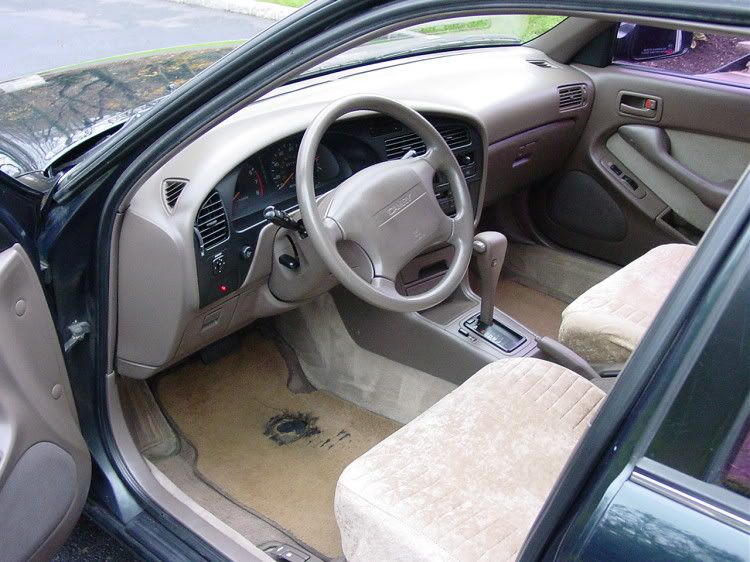
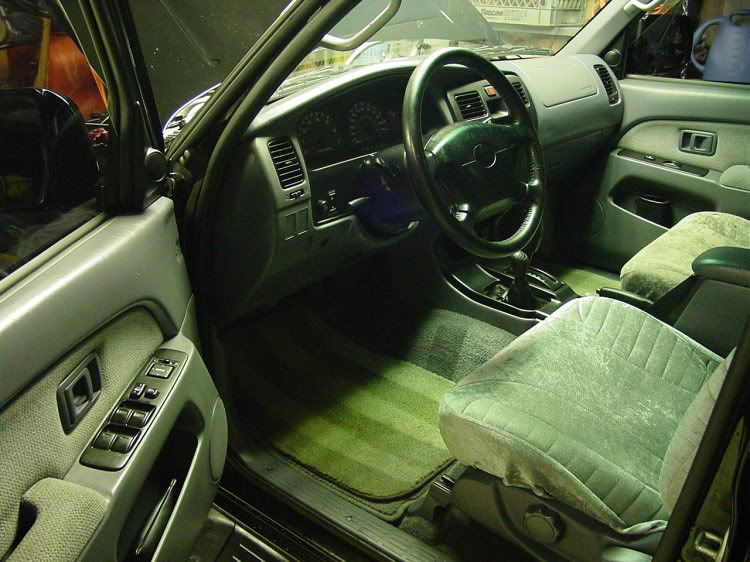
Interior
-Oxy/APC Mix on carpets, mats, and seats ...extracted with Bissel LGCM (love this damn thing)
-Water:Woolite for the doors and dash area
-Adam's VRT to protect doors and dash area
-Gliptone Glass Cleaner for the glass
Camry
4Runner
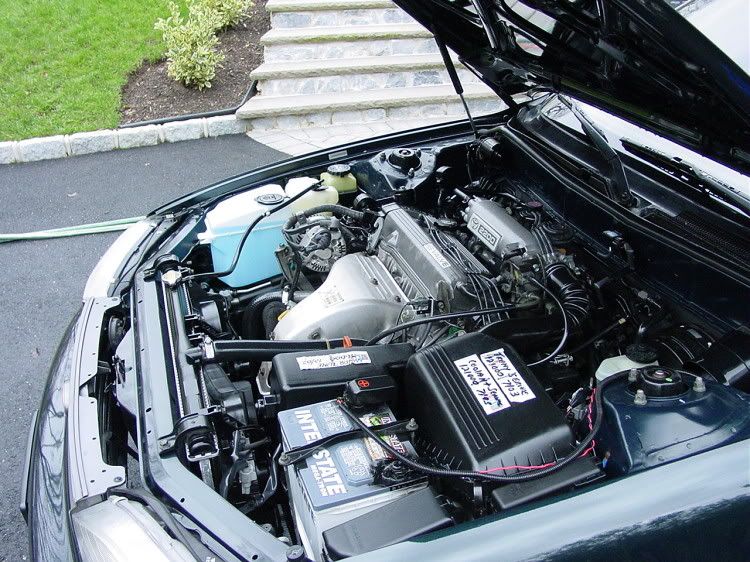
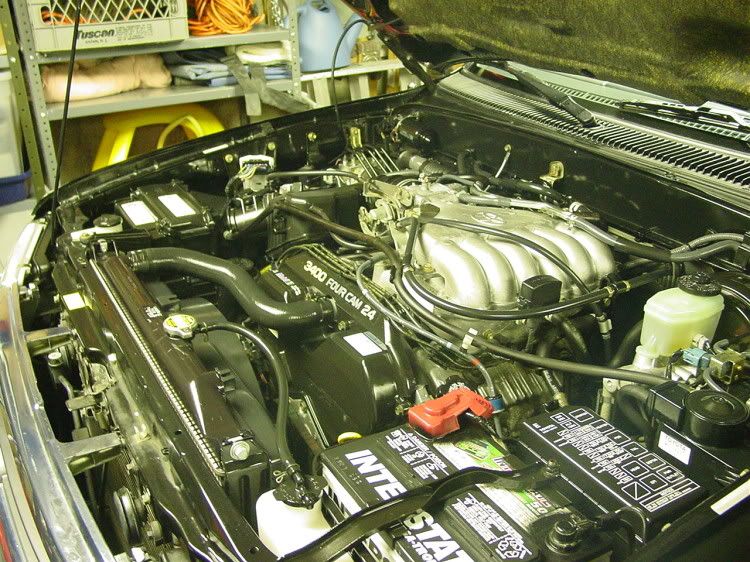
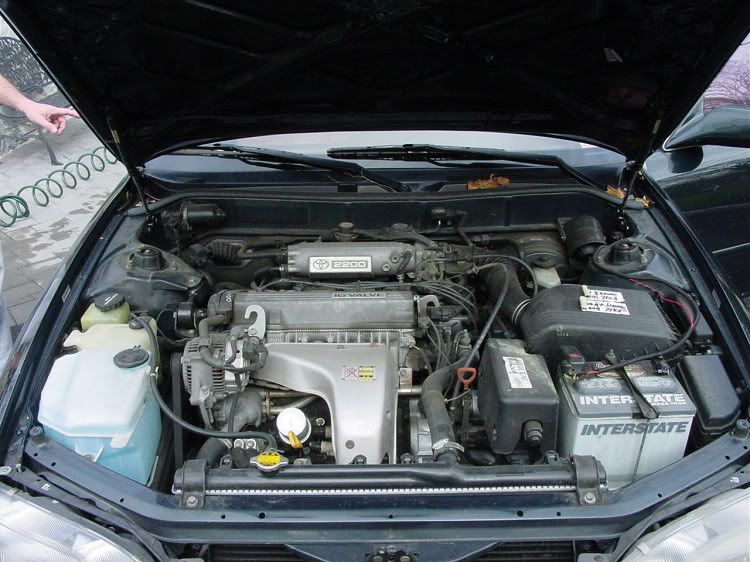
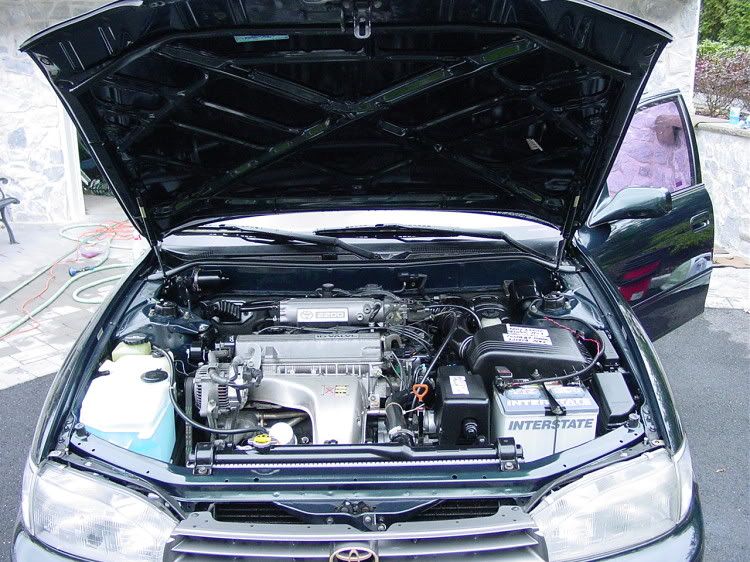
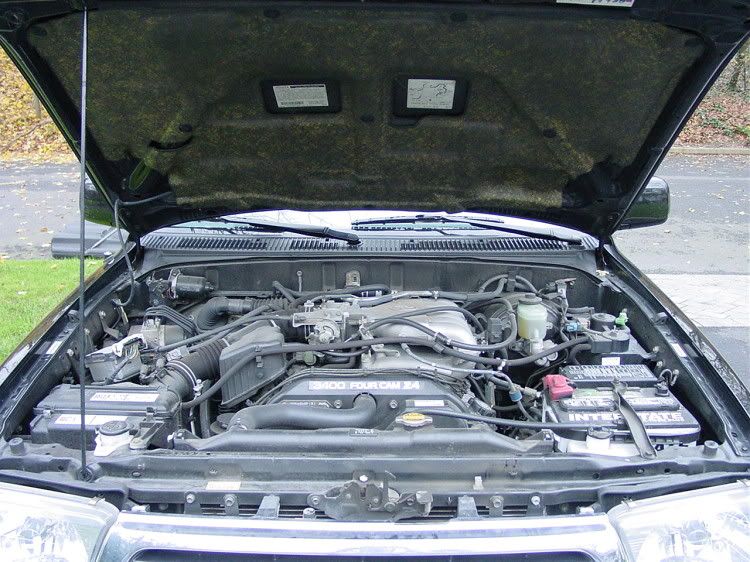
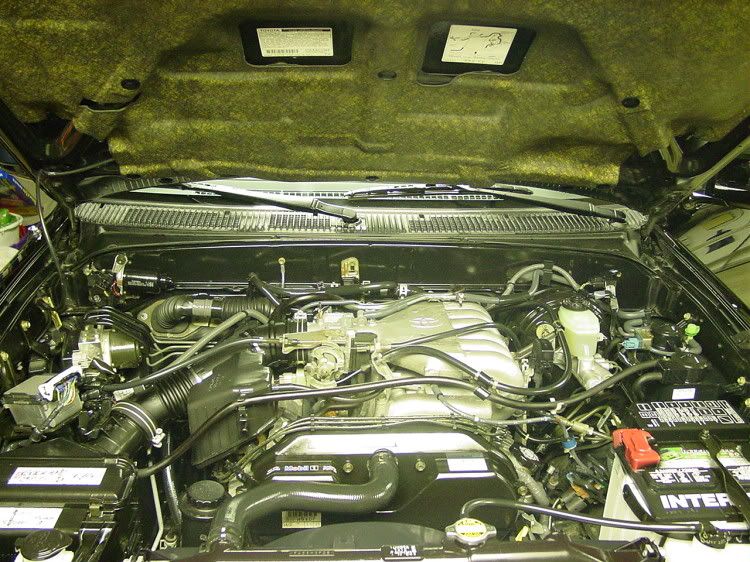
For the engine, I was lucky enough to have a hot water faucet to play with . I soaked the engine in hot water, applied Simple Green Full Strength quite generously and began agitating with an old chenille pad and OXO brush. I then hosed the engine down, checked to see if I missed and anything and started/idled the car for 5 mins. I dried it with a crappy MF, then dressed with Hyper Dressing cut 2:1 . All painted surfaces were glossed using Adam's Detail Spray.
Camry Before
Camry After
4Runner Before
4Runner After
Exterior
-TOL Prep Wash (4 ounces:2 gals water)
-Poorboy’s Clay
-NXT via rotary and LC polishing pad @ 1300rpm
-S100 by hand
Rims, Wells, Tires
-All cleaned with APC 10:1 with appropriate brushes
-Tires and Wells Dressed with HD cut 2:1
Camry Before
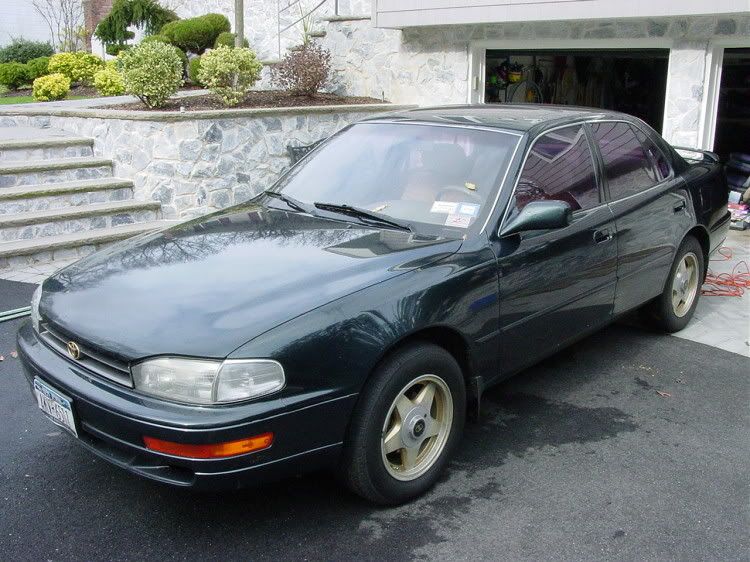
Camry After
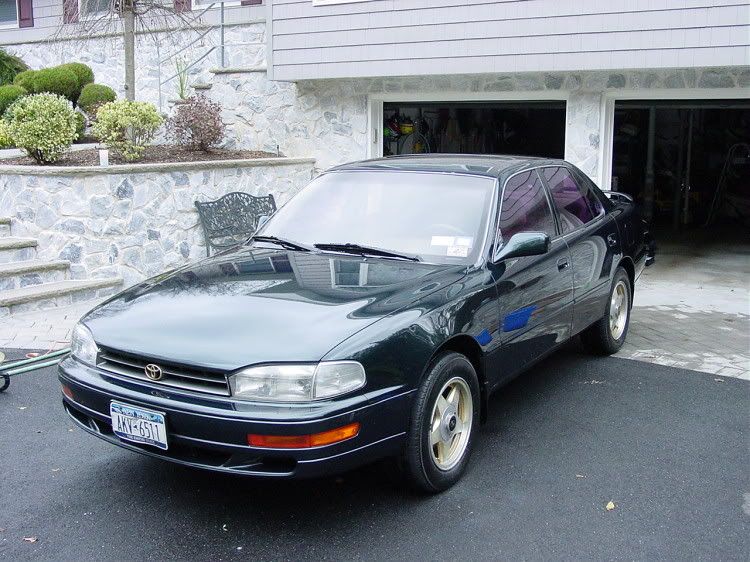
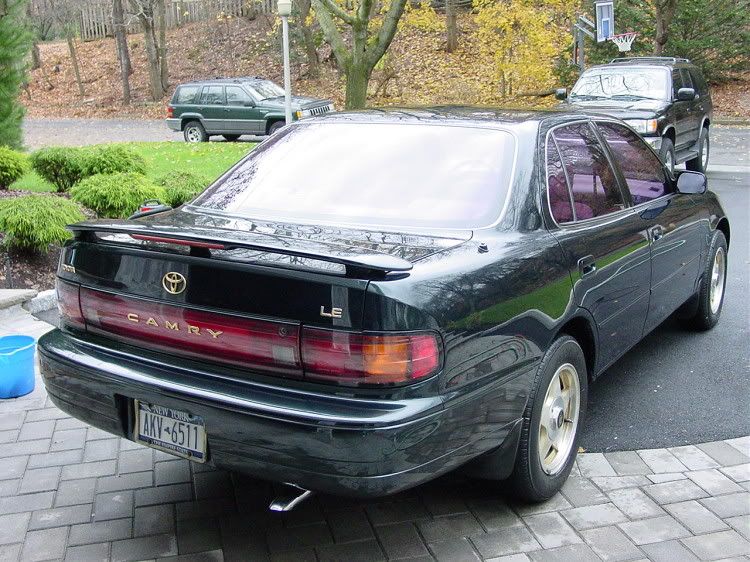
4Runner Before
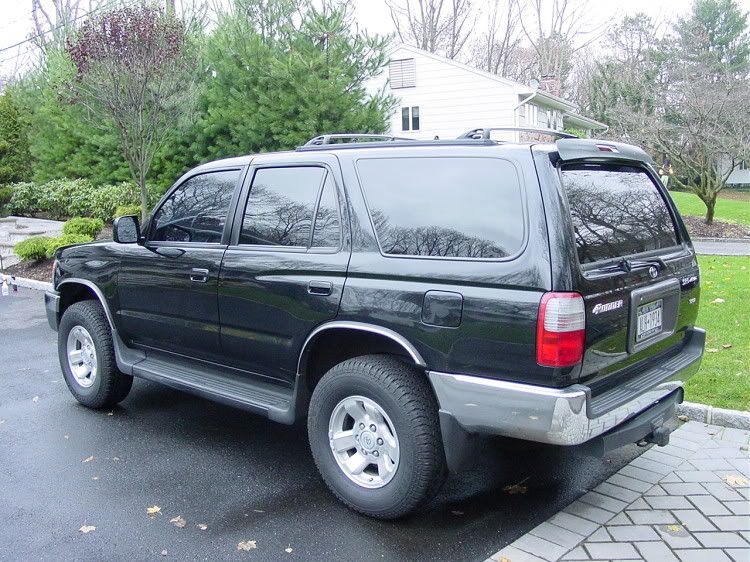
4Runner After
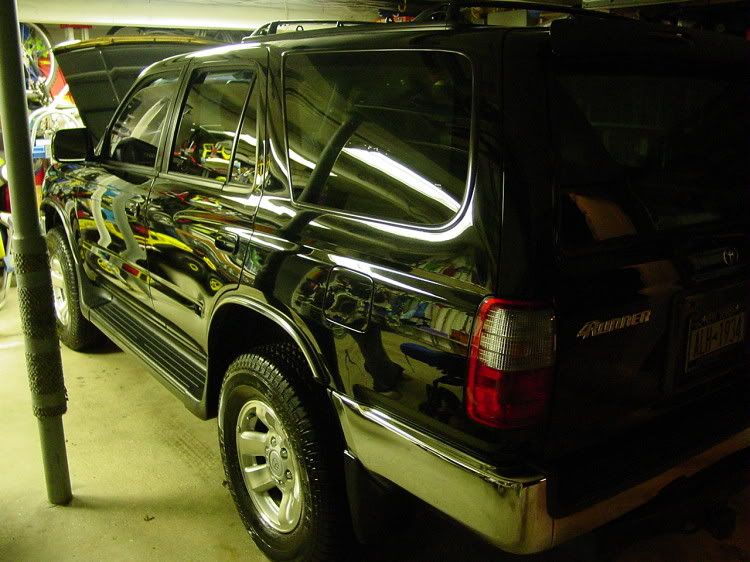
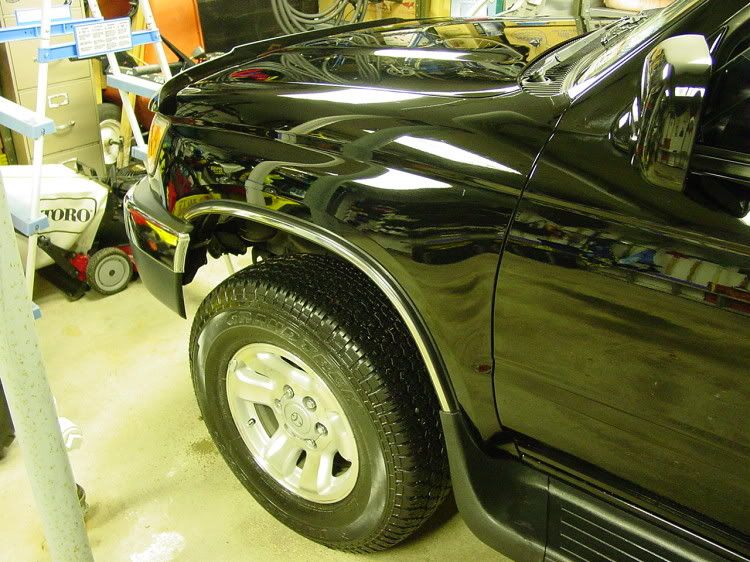
Enjoy!
http://www.detailcity.com/showthread.php?t=7875&highlight=customer
Cliff notes are these: Did 3 details for my mechanic who used to detail. He has some old school techniques that he requested I use. He gave my card to a friend of his who called me to do his 4Runner and Camry. The guy asked a lot of questions and requested the same old school techniques as my mechanic did. The thread above states the rest.
So each time I have spoken to this guy, he has gotten nicer and nicer. He's a cop, which may have nothing to do with it, but it seemed as though I earned his trust more and more with each conversation. We finalized things up last night to do both of his cars today. He gave me a call around 11 and said "Sean, don't bring any lunch tomorrow. I want to make you lunch...Is that alright?" Of course I said yes
.I get there this morning right on time and he's working on getting his 7 year old to the bus stop. I introduce myself to him and his son. They were both extremely nice. I helped walked his son to the bus stop until he got on the bus and he really appreciated that. We chatted a little about my mechanic and laughed a little. Before I even started, he said "Sean, I want you here in May to do them again, good with you?" Yes again. Well, I get started and he comes out about every 30 mins to ask me if I want coffee, water, bathroom, etc. I feel like I'm at a hotel :lol ...He comes out around 12 and asks my lunch order and invites me in for lunch with him and his 3 year old son. It continues for the rest of the day the same way. It was an extremely pleasureable experience for me.
At the end of the day, he had 7 new clients lined up for me. I couldn't believe it. 3 cop friends, 2 neighbors, his insurance agent, and a friend of his. Well, I guess it all paid off.
About the processes, I told him that I have tried many different products/procedures in the past and have a nice routine going. I asked him if he'd trust me and if there was anything he didn't like at the end I'd change it. I ended up doing it all my way except the double wax :rofl . I polished with NXT and topped with S100 for each...I loved how this same procedure worked out for me on my mechanic's RX300, so why not right
...The only thing he asked for at the end was glossier tires. He blamed it on his generation for loving extremely wet tires, so you are now forewarned for the 4Runner tires The procedures for both were the same, except the 4Runner really didn't need clay...
Interior
-Oxy/APC Mix on carpets, mats, and seats ...extracted with Bissel LGCM (love this damn thing)
-Water:Woolite for the doors and dash area
-Adam's VRT to protect doors and dash area
-Gliptone Glass Cleaner for the glass
Camry
4Runner
For the engine, I was lucky enough to have a hot water faucet to play with
. I soaked the engine in hot water, applied Simple Green Full Strength quite generously and began agitating with an old chenille pad and OXO brush. I then hosed the engine down, checked to see if I missed and anything and started/idled the car for 5 mins. I dried it with a crappy MF, then dressed with Hyper Dressing cut 2:1 . All painted surfaces were glossed using Adam's Detail Spray.Camry Before
Camry After
4Runner Before
4Runner After
Exterior
-TOL Prep Wash (4 ounces:2 gals water)
-Poorboy’s Clay
-NXT via rotary and LC polishing pad @ 1300rpm
-S100 by hand
Rims, Wells, Tires
-All cleaned with APC 10:1 with appropriate brushes
-Tires and Wells Dressed with HD cut 2:1
Camry Before
Camry After
4Runner Before
4Runner After
Enjoy!